Milan has always understood the theatre of taste—but during Milano Moda Design® 2026, it feels like the city is performing a new kind of intimacy. Not runway intimacy (we’ve seen the smoke and mirrors), but the slow, domestic kind: the one that happens at the threshold of a home, in the hush of a hallway, in the soft authority of a well-chosen chair. You could sense it in the way crowds moved—less stampede, more pilgrimage—between palazzi and concept stores, following the scent of lacquer, leather, and freshly printed paper.
This year’s highlights made one thing clear: fashion’s most fluent houses aren’t merely “entering” interiors. They’re rewriting how we live with objects—making the everyday feel curated, even a little cinematic. And yes, occasionally a little cheeky (as it should be).
Milano Moda Design® 2026 Highlights: The Week’s Most Covetable Rooms
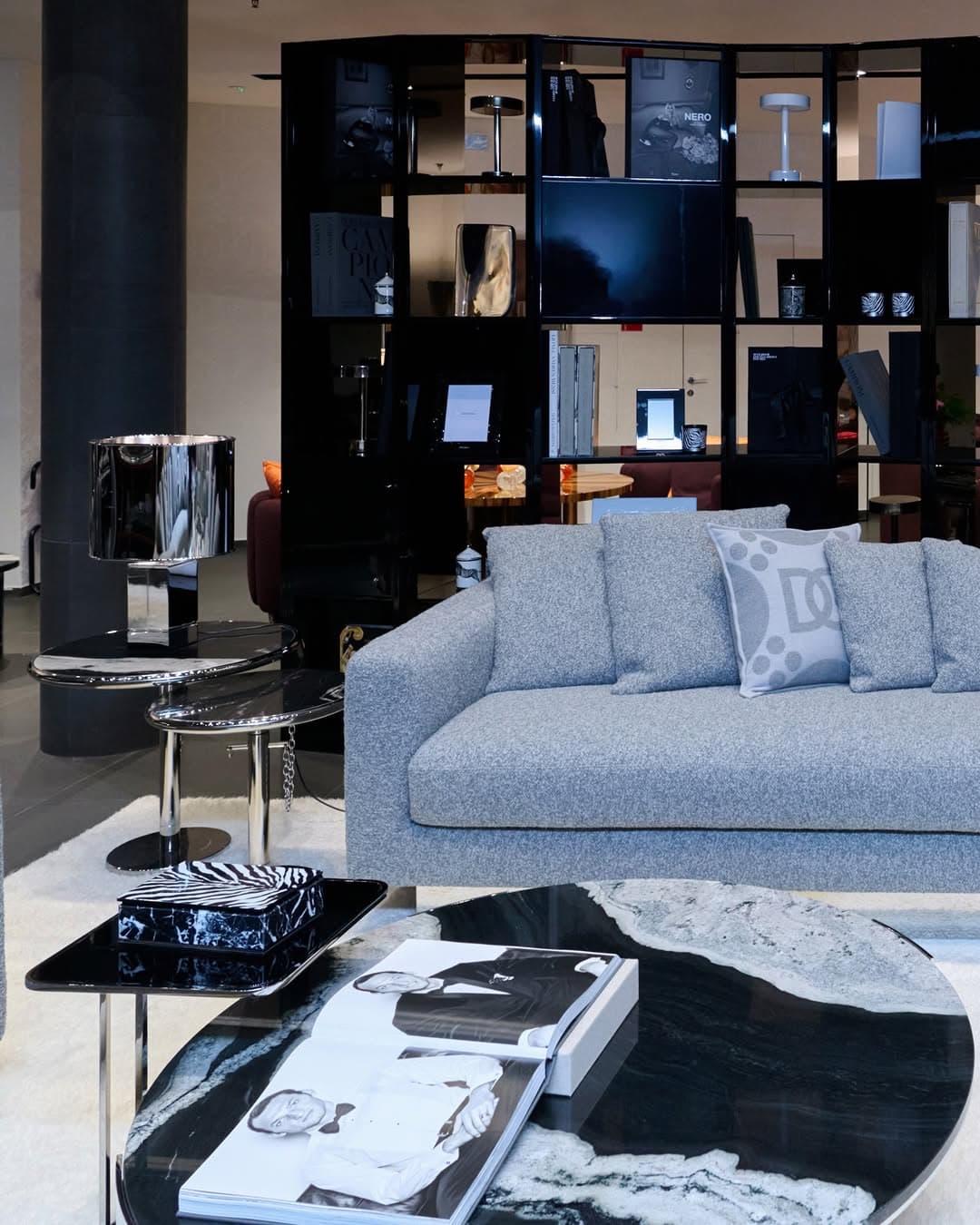
Dolce&Gabbana Home: Maximalism, but make it devotional
Dolce&Gabbana doesn’t do “subtle.” It does sacred excess—tilework that flirts with baroque, patterns that insist on being remembered, and a sense of Italian craft that leans into pleasure rather than apology. The Home Collection presentation read like a love letter to the Mediterranean: sun-baked colour, ornate motifs, and that particular Dolce fantasy where even a side table feels like it should have a soundtrack.
For anyone tracking the fashion-to-interiors migration, this is the point: not every brand has the visual vocabulary to sustain a whole room. Dolce&Gabbana does—loudly, confidently, and with the kind of gusto Milan has always championed.
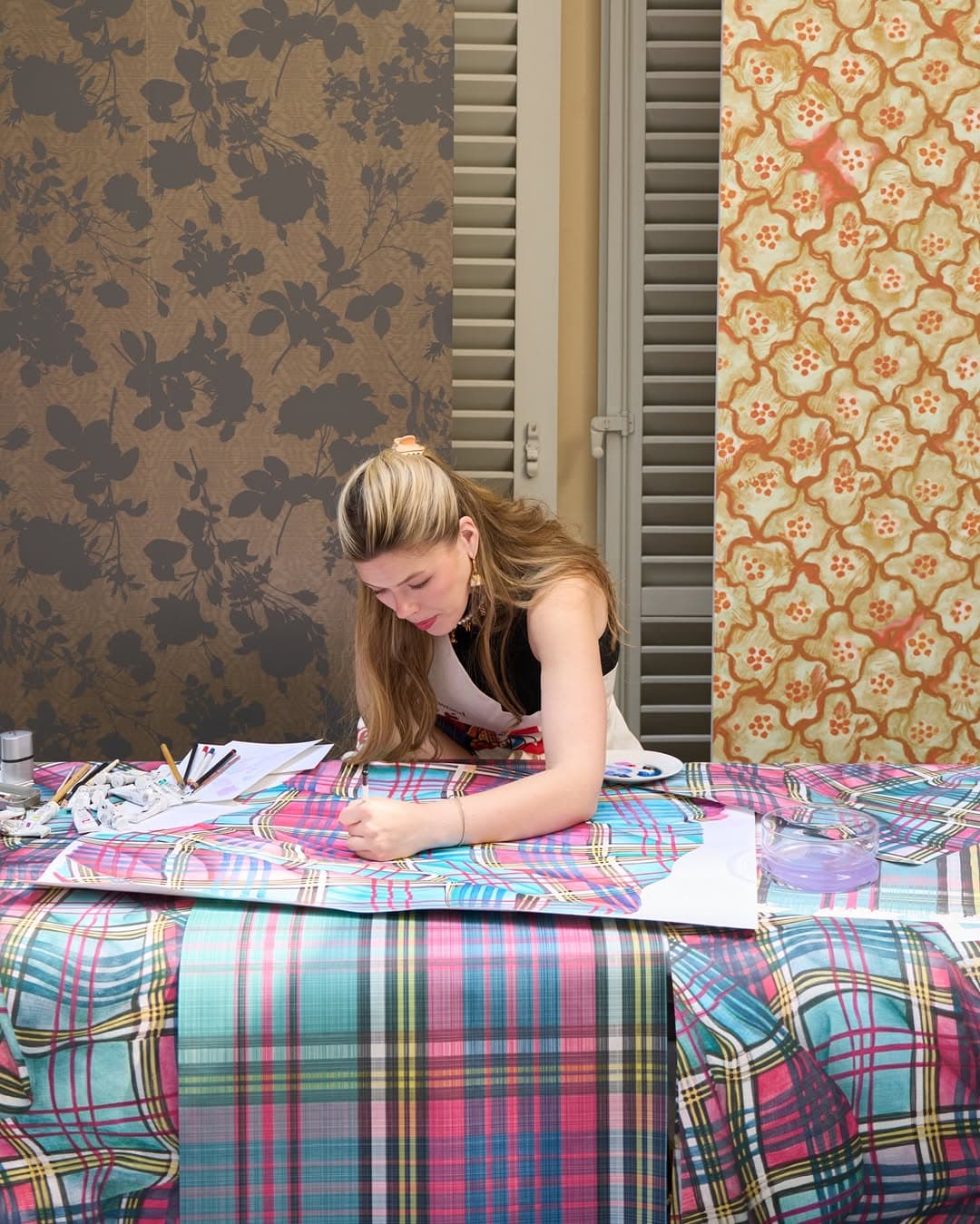
Vivienne Westwood × COLE & SON: Wallpaper with a pulse
The COLE & SON collaboration with Vivienne Westwood arrives hand-painted and printed entirely in Great Britain—an old-school flex that matters when “heritage” is too often a marketing perfume. The wallcoverings feel rebellious in a room, like a punk lyric hidden in an aristocrat’s drawing room. Pattern becomes provocation; ornament becomes attitude.
If you’ve ever wanted your walls to behave like fashion—changing the posture of everyone who walks in—this is that fantasy made architectural.
10 Corso Como: The collective, curated like a conversation
At 10 Corso Como, the collective showcases carried the store’s signature talent: making disparate voices feel thrillingly cohesive. It’s not just retail; it’s a cultural edit. The energy here is always slightly conspiratorial—as if you’ve stumbled into a salon where everyone knows the next thing before it becomes “the next thing.”
For readers who love the intersection of style and space, the mood resonates with our ongoing fascination with concept-led living—see our Milan Design Week guide and how the city keeps reinventing its own mythology.
Valextra × Objects of Common Interest: Soft & Tender Topographies
Leather, of course, is Valextra’s native language—but here it’s spoken in a new accent, in dialogue with Objects of Common Interest. Soft & Tender Topographies played with texture at the level of feeling: supple surfaces, gentle curves, balances so precise they felt calming. In a week of spectacle, this was a studied exhale.
There’s an editorial truth in it: luxury is becoming less about shouting and more about tactility—what your hand learns before your brain catches up.
ANTEPRIMA: Two immersive installations that actually immerse
ANTEPRIMA brought Link of Moments × Link of Existence as immersive installations that leaned into the emotional logic of design: memory, repetition, connection. Not the kind of “immersive” that’s basically a selfie factory—this had mood, pacing, and an intelligence about how people move through space when they’re genuinely curious.
Furla’s Bubble Up: Urban design with a wink
Furla turned the city into a playground with Bubble Up, a vibrant setting that reframed the urban environment as a design experience. There was buoyancy to it—colour that felt like a palate cleanser, forms that softened the hard angles of Milan’s streetscape. It’s the kind of installation that makes you notice your own pace; suddenly you’re walking like you’re in a scene.
Moynat: Craft, conversation, and a first Italian boutique
Moynat marked the opening of its first Italian boutique with a dialogue between creatives and the brand—an approach that suits a house built on trunk-making precision and Parisian discretion. The best luxury moments aren’t always the loudest; sometimes they’re the most specific. Here, the specificity was craft: the kind that makes you think about travel not as a trope, but as an art of preparation.
If you’re building a wardrobe—and a home—that travels well, you might also enjoy our take on quiet luxury at home, where restraint becomes its own kind of swagger.
La DoubleJ’s Size Matters: Maxi joy, Milanese style
La DoubleJ transformed its Milan flagship for Size Matters, celebrating the Al Fresco collection through extra-large sculptural homeware—from Mini to Maxi. It was Camp with a capital C, but anchored by serious design intent: scale as seduction, exuberance as a lifestyle strategy. Some brands whisper “hostess”; La DoubleJ very much announces it.
And honestly? After years of beige minimalism masquerading as taste, a little joyful audacity feels like a public service. For more on the return of expressive interiors, bookmark our edit of maximalist interiors.
What Milano Moda Design® 2026 Says About How We’ll Live Next
The takeaway from Milano Moda Design® 2026 isn’t a single trend—it’s a shift in priorities. Texture is outranking novelty. Craft is outranking logo. And the most compelling installations aren’t asking to be photographed first; they’re asking to be felt.
- Interiors are becoming fashion’s most honest canvas—you can’t hide behind lighting when a chair has to hold you.
- British-made printcraft and Italian material mastery are having a flirtation worthy of a good dinner party.
- Scale and softness—from La DoubleJ’s maxi theatrics to Valextra’s tactile calm—are shaping the emotional temperature of rooms.
In other words: the future isn’t sterile. It’s personal. It has a point of view.
Photo Credits
Cover image and additional images courtesy of their respective owners. Event imagery credited to Launchmetrics / Milano Fashion Week.