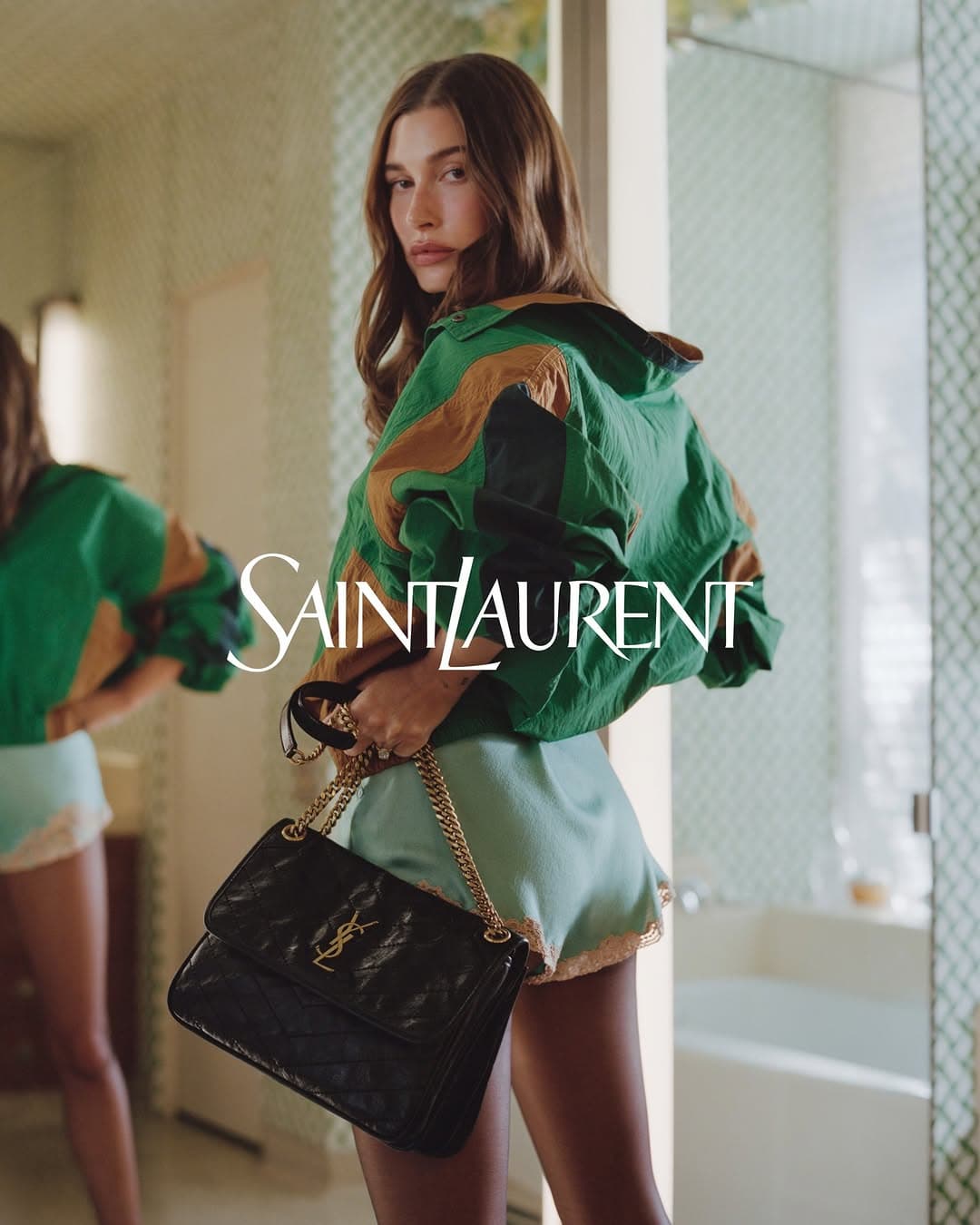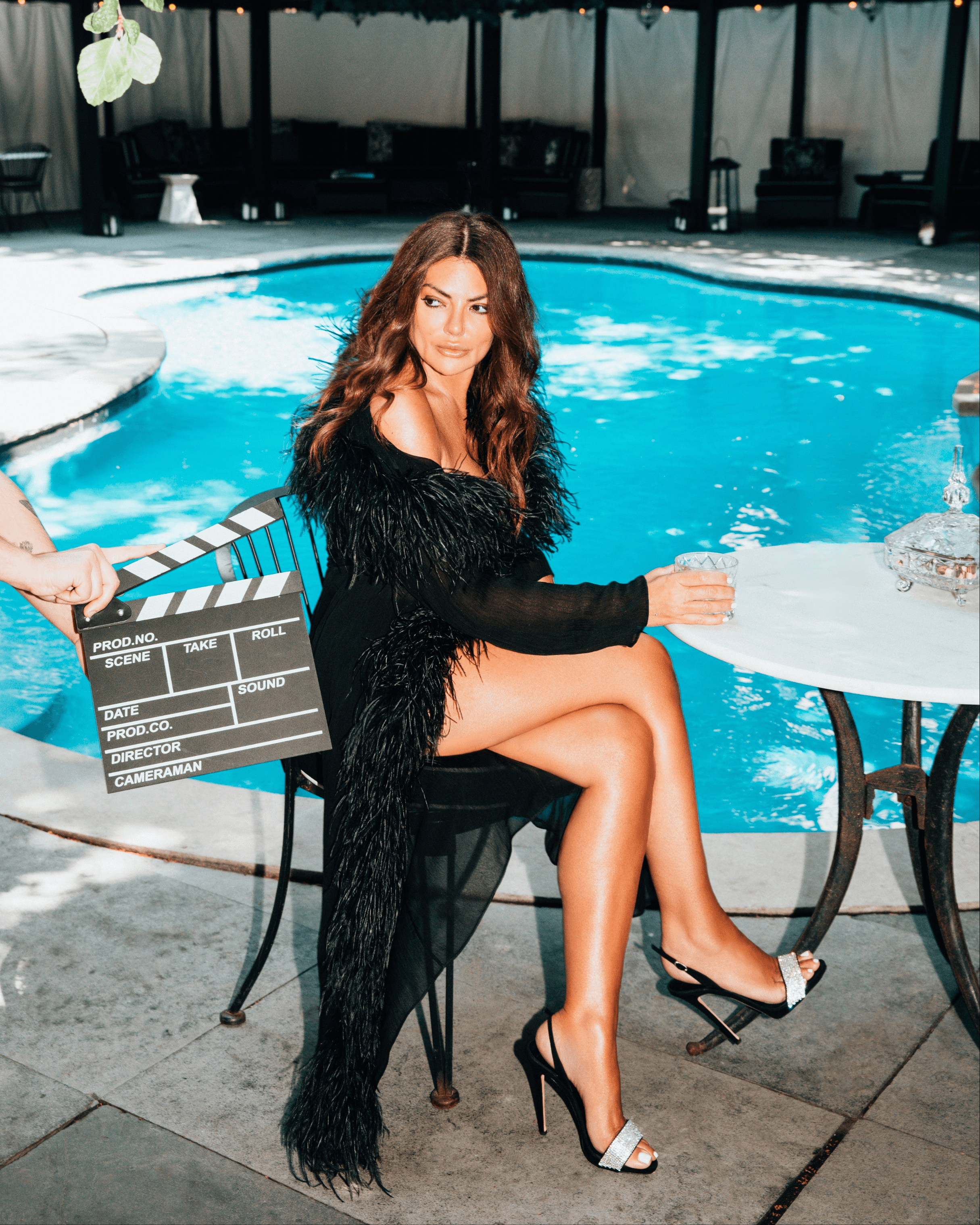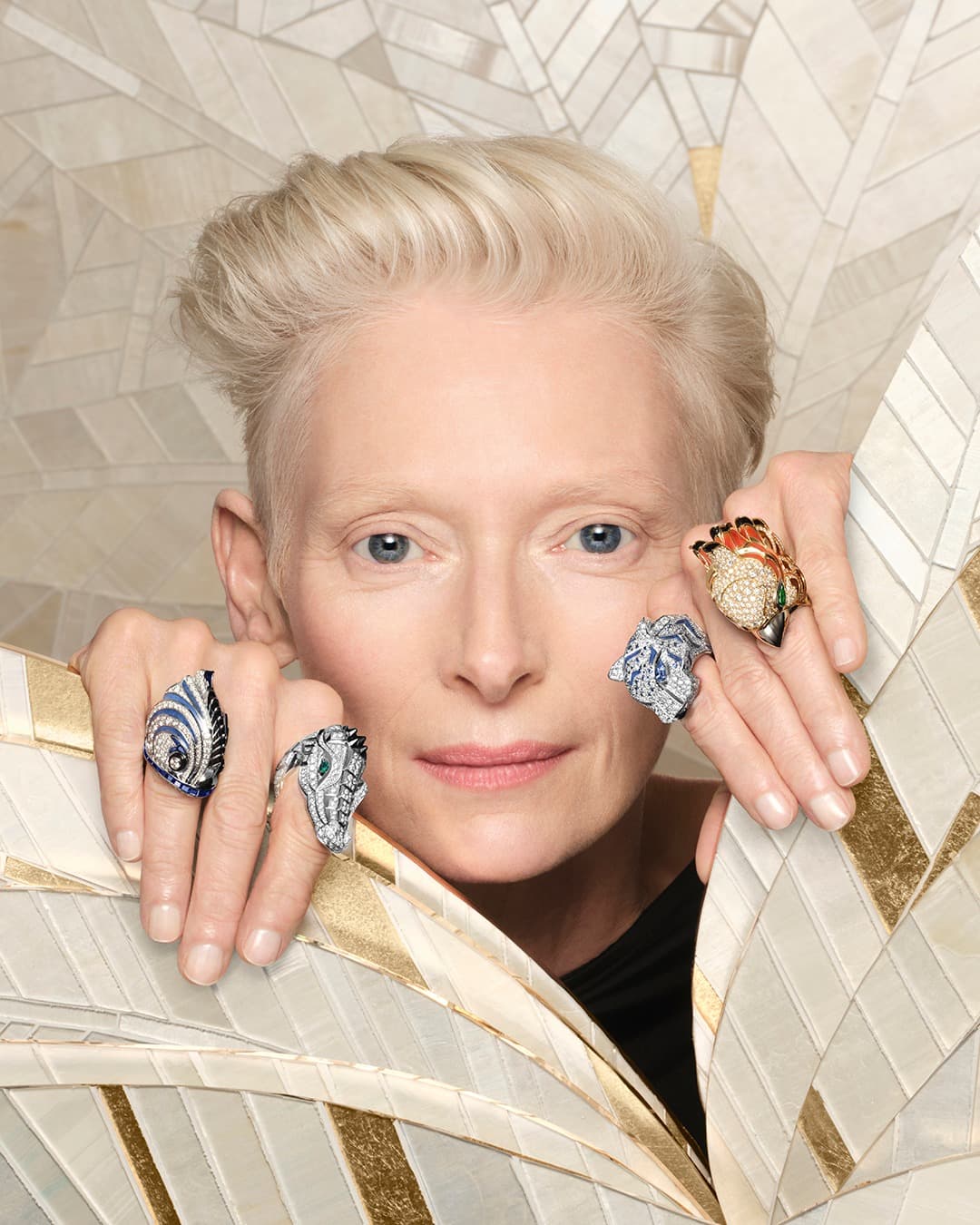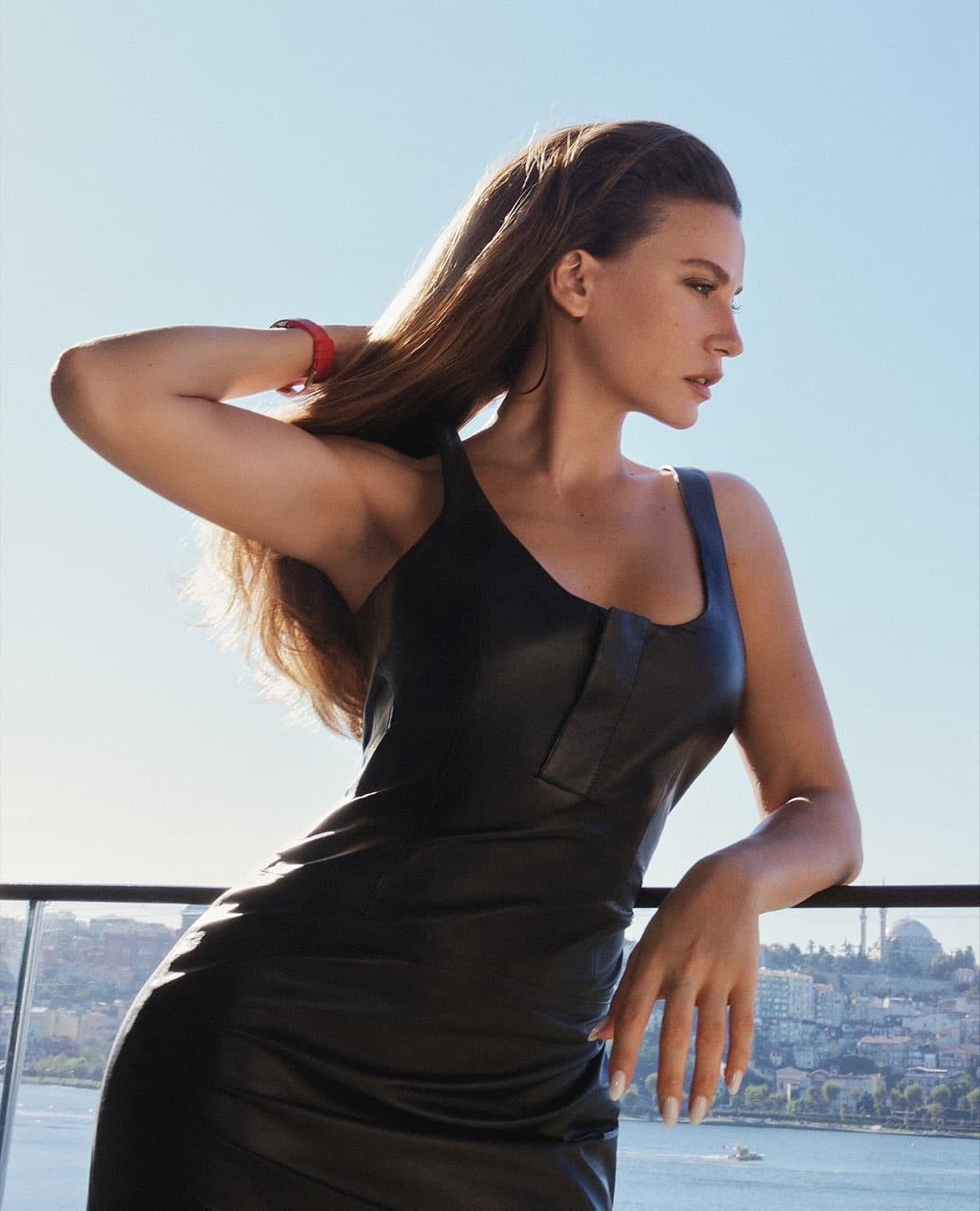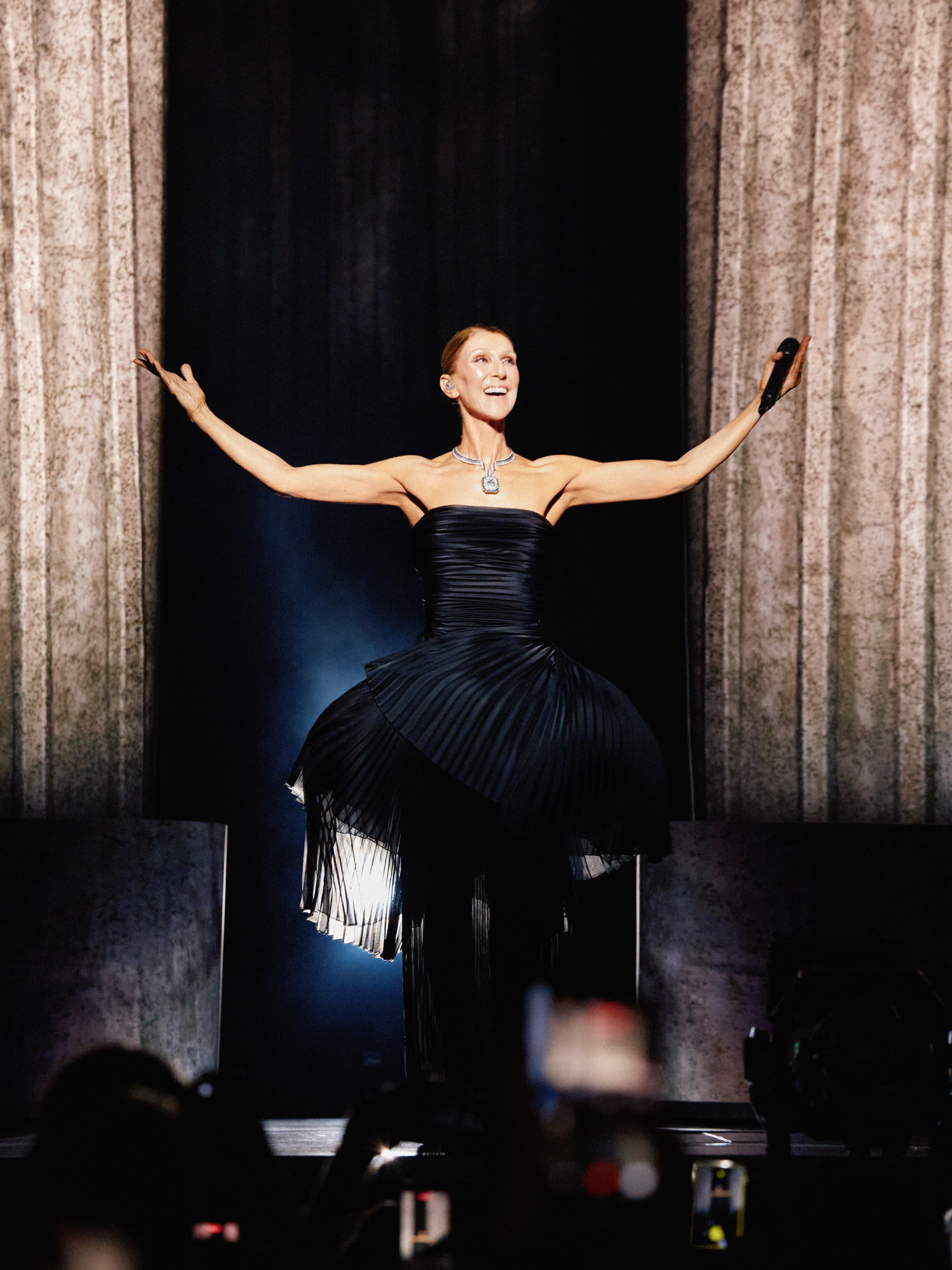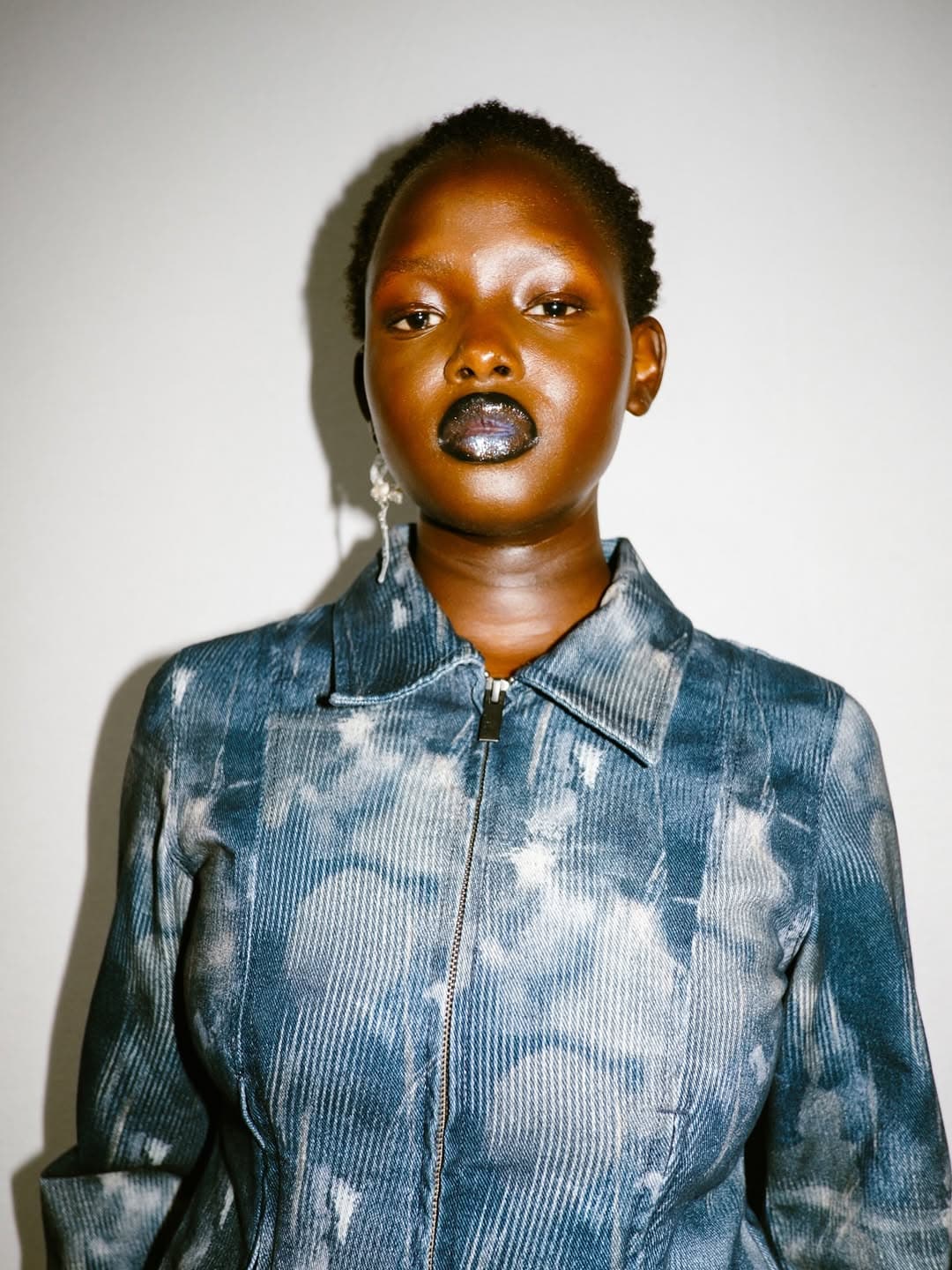
The most electric moment in fashion isn’t the afterparty—it’s the quiet, sharp inhale five minutes before a show call, when a designer decides (again) to be seen. London Fashion Week September 2026 is now accepting applications, and if you’re building a label with a point of view—real story, real clothes, real nerve—this is your window.
London has always liked its fashion with a little friction. It’s the city that made room for Alexander McQueen’s romantic insurgency and Vivienne Westwood’s punk grammar, then turned that unruly energy into exportable cultural capital. #LFW remains Britain’s creative stadium—where designers define, challenge, and sell an idea of modernity to the world, one look at a time.
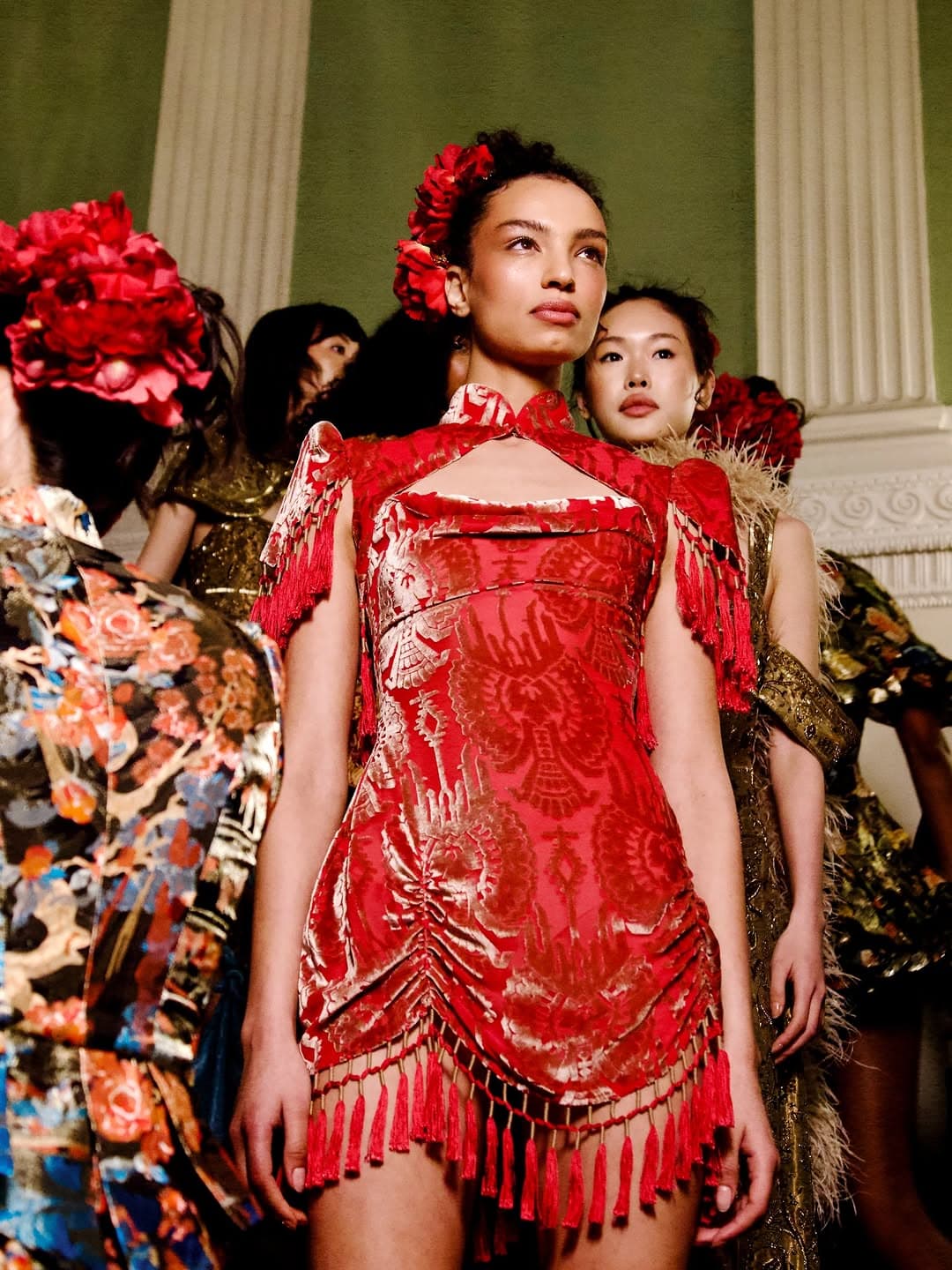
London Fashion Week September 2026: choose the format that suits your brand
Let’s retire the notion that success at LFW only comes with a catwalk and a thunderclap soundtrack. The smartest brands right now understand that format is strategy—how you control pacing, access, mood, and press narrative. LFW’s showcasing formats are built for different kinds of storytelling: cinematic, intimate, commercial, conceptual (or all four, if you’re brave).
- Catwalk show: High-impact, high-pressure, still unmatched for images that travel fast and far.
- Presentation: More control, more detail time—ideal if your craftsmanship deserves a closer look.
- Appointments: A buyer’s love language. Quiet confidence, serious orders.
- Exhibition: Perfect for designers working with process, materials, or cultural research—fashion as gallery object.
- Pop-up: If your community is your power, this is where commerce and culture flirt in public.
If you’re unsure which lane best fits your label, read how other brands have staged momentum via our fashion week survival guide (the polite way to say: you need a plan). And if you’re building an identity that lives beyond the runway, consider the long-view branding lessons in how to build a fashion brand.
Catwalks are theatre—but presentations can be intimacy (and intimacy sells)
Editors love spectacle. Buyers love clarity. Your job is to decide what you need most this season: viral imagery, tighter product communication, or strategic meetings that convert. The most persuasive LFW moments in recent years haven’t always been the loudest; they’ve been the ones with a coherent world. A distinct silhouette. A fabric story that makes sense. A casting choice that says something without shouting.
How to apply for London Fashion Week (and what your application should say without saying)
Applications for London Fashion Week September 2026 run through the British Fashion Council. The mechanics are straightforward; the discernment is not. You’re not simply submitting a lookbook—you’re proposing a cultural proposition that can hold attention in a city saturated with talent.
Before you apply, ask yourself a few slightly uncomfortable questions:
- What do you represent? Not your “aesthetic”—your stance. London rewards point of view.
- What’s the product truth? Can your garments survive daylight, close-ups, and a buyer’s spreadsheet?
- What’s the press hook? A material innovation, a collaboration, a sharp cultural reference—something that reads cleanly in a headline.
- What’s the experience? If a guest remembers only one sensory detail—music, scent, space—what should it be?
Need a gut-check on whether your brand story is actually landing? Compare notes with our emerging designers to watch—not to copy, but to calibrate the level of precision (and courage) the market is responding to.
The unglamorous truth: logistics are your love letter to the industry
Here’s the editorial opinion you might not want, but probably need: “chaotic genius” is not a business model. London is generous with experimentation, yet the industry has little patience for avoidable disorganization. A tight call sheet, a clear guest strategy, thoughtful seating, and an on-time start are not boring details—they’re signals that you respect everyone’s time (including your own).
Why London still matters in 2026 (yes, even with the noise)
Fashion loves to declare the death of everything—runway, print, “the season,” the city itself. And yet: London persists because it’s less polite than Paris, less polished than Milan, less corporate than New York. That slight wildness is its advantage. LFW is where a designer can be culturally specific and globally legible in the same breath.
The international audience will be watching. The digital crowd will be screenshotting. And a handful of people who can materially change your trajectory—buyers, stylists, collaborators—will be looking for competence disguised as charisma. Give them both.
Ready to apply?
Start at the source, read the requirements twice, and choose the showcasing format that serves your story. Apply via the British Fashion Council website, and if you want a sense of the platform’s scope, browse LondonFashionWeek.co.uk. Then make one decisive choice: show up as the designer you are, not the one you think London expects.
Photo Credits
Cover image and additional images courtesy of their respective owners.