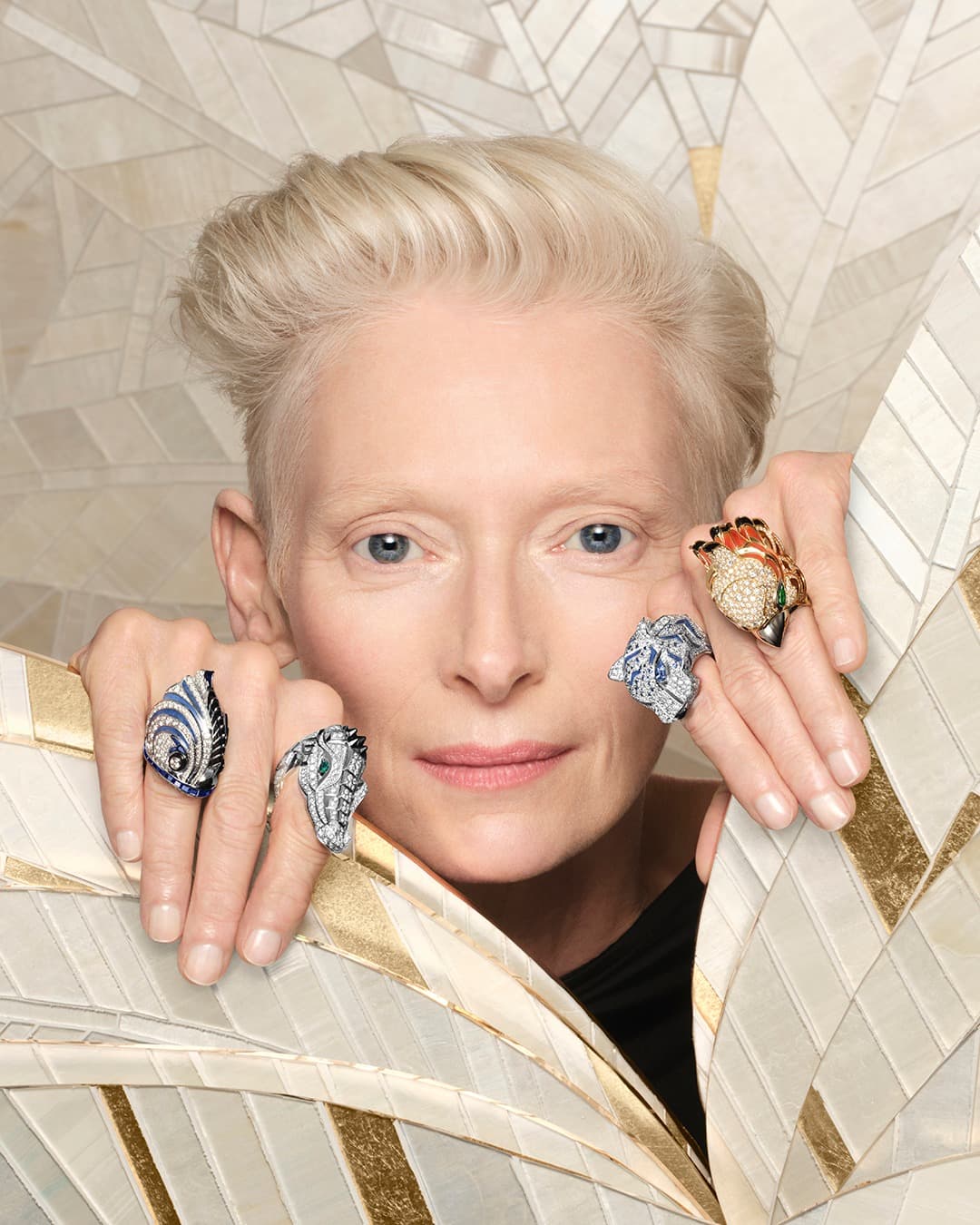
A house code is usually something you clock in passing, the green red green webbing on a strap, the bite of a Horsebit, a sign-off that lives comfortably on leather. Gucci high jewelry takes that familiar grammar and pushes it into a different register entirely, where the punctuation is diamond pavé and the consonants are tourmalines, rubies, and sapphires.
Gucci high jewelry: when house codes become gemstones
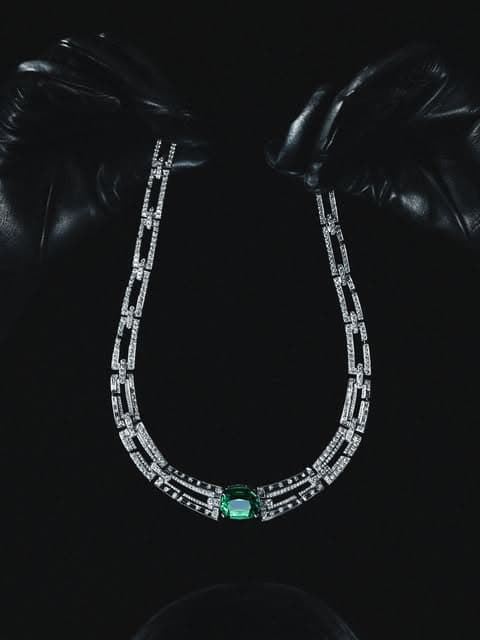
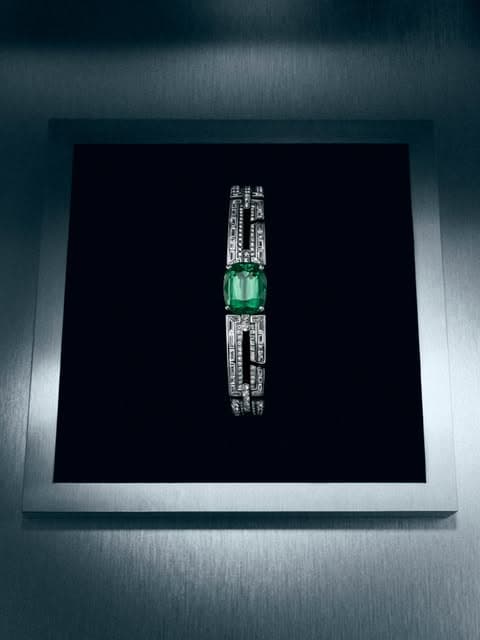
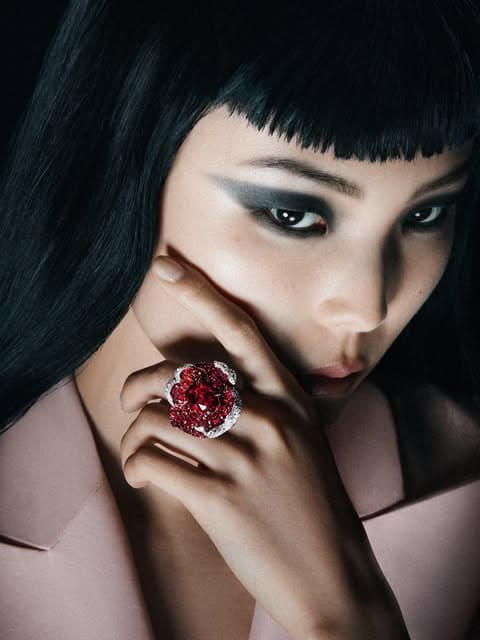
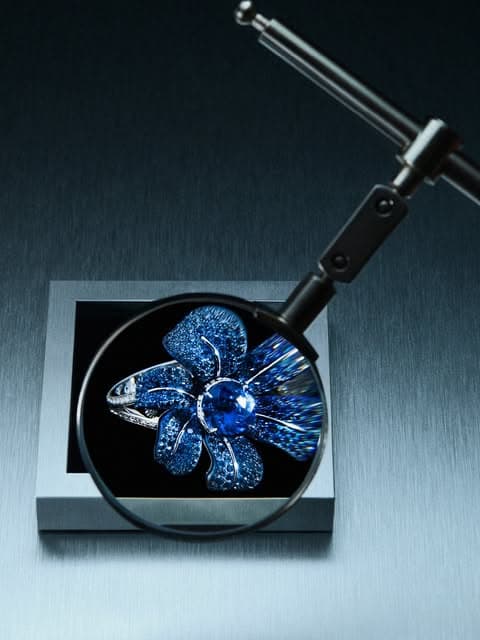
In its own description of the line, Gucci positions the proposition plainly: house codes, reimagined with diamonds, tourmalines, rubies, and sapphires. That material list matters because it signals intent. This is not costume-coded glamour pretending to be precious, it is a workshop level exercise in translating brand motifs into stones that have their own demands, their own fragility, their own stubbornness in the hand.
High jewelry is often sold as pure fantasy. Gucci’s angle, at least from the way it frames the category, is recognition first. You are meant to know what you are looking at before you count the carats, a logo-world turned into a gem-world.
What makes it “high” here is the material conversation
Even without a published price list in the captioned post, the ingredients point to where this sits: tourmalines in particular show up in high jewelry because the stone can carry saturated color without looking flat under light, and because its palette is broad enough to let a maison dial in exact shades. Pair that with rubies and sapphires, then wire the whole thing together with diamonds, and you get a composition that is less about one hero gem and more about orchestration.
If you’ve ever watched jewelry at close range, you know the real flex is how the stones meet. A pavé surface that looks continuous, a color gradient that does not break into obvious blocks, settings that protect edges while still letting light in. That is where Gucci high jewelry either convinces or it does not, and Gucci is clearly insisting that its codes can survive the scrutiny of a loupe.
Why Gucci is leaning into high jewelry now
Luxury houses do not invest in high jewelry because they need the revenue line. They do it because it is the clearest statement of craft, and because it changes what the public believes the brand is capable of. For Gucci, whose most visible hits live in ready to wear, leather goods, and accessories, elevating the codes into diamonds and colored stones is a way to say the iconography has range.
It also places Gucci in the same conversational arena as the maisons that treat high jewelry as a seasonal ritual. Even when these pieces are made in tiny numbers and shown privately, the images travel widely, and the category becomes a kind of cultural proof of seriousness. In this sense, Gucci high jewelry functions like a runway show that never ends, a set of objects designed to be reposted, studied, and remembered.
Where to see official details
Gucci’s own channels are the most reliable place to track the latest high jewelry drops and campaign imagery, including the hashtagged line referenced in the caption. Start with Gucci.com for brand-published updates, and the house’s official Instagram presence under @gucci, where the Gucci high jewelry naming and gemstones list are presented directly.
If the point of a code is consistency, then the point of high jewelry is pressure, the demand that an idea holds up when it is literally set in stone. Gucci is betting that its most recognisable symbols can take that pressure, and look better for it.
Photo Credits
Images courtesy of their respective owners.