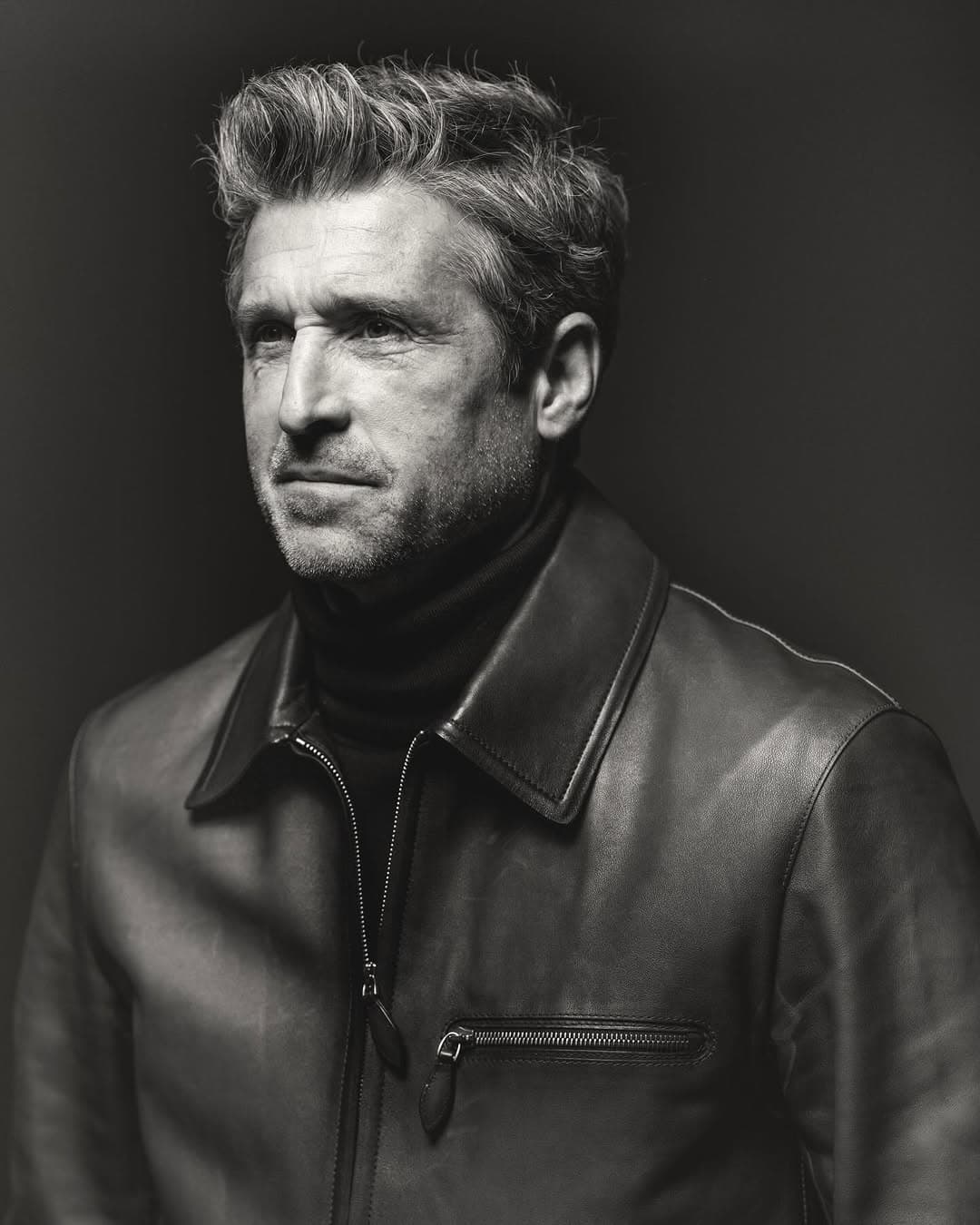
The camera loves a man who knows his marks, but the track demands something less forgiving: nerve, repetition, and a refusal to romanticize the work. That’s the pulse behind At the Speed of Dreams, a behind-the-scenes glimpse of TAG Heuer House Ambassador Patrick Dempsey moving between set light and pit light with the same intent—calm hands, sharpened focus, zero wasted motion.
Dempsey has always understood the glamour-industrial complex (he can play heartthrob with one eyebrow). Yet it’s his relationship to racing—serious, unshowy, earned—that makes the story hum. The pace may change between set and track, but the pursuit doesn’t: refine, commit, raise the bar. It’s an ethos that feels particularly right for TAG Heuer, a house built on timing as both romance and weapon—measured in split seconds, not slogans.
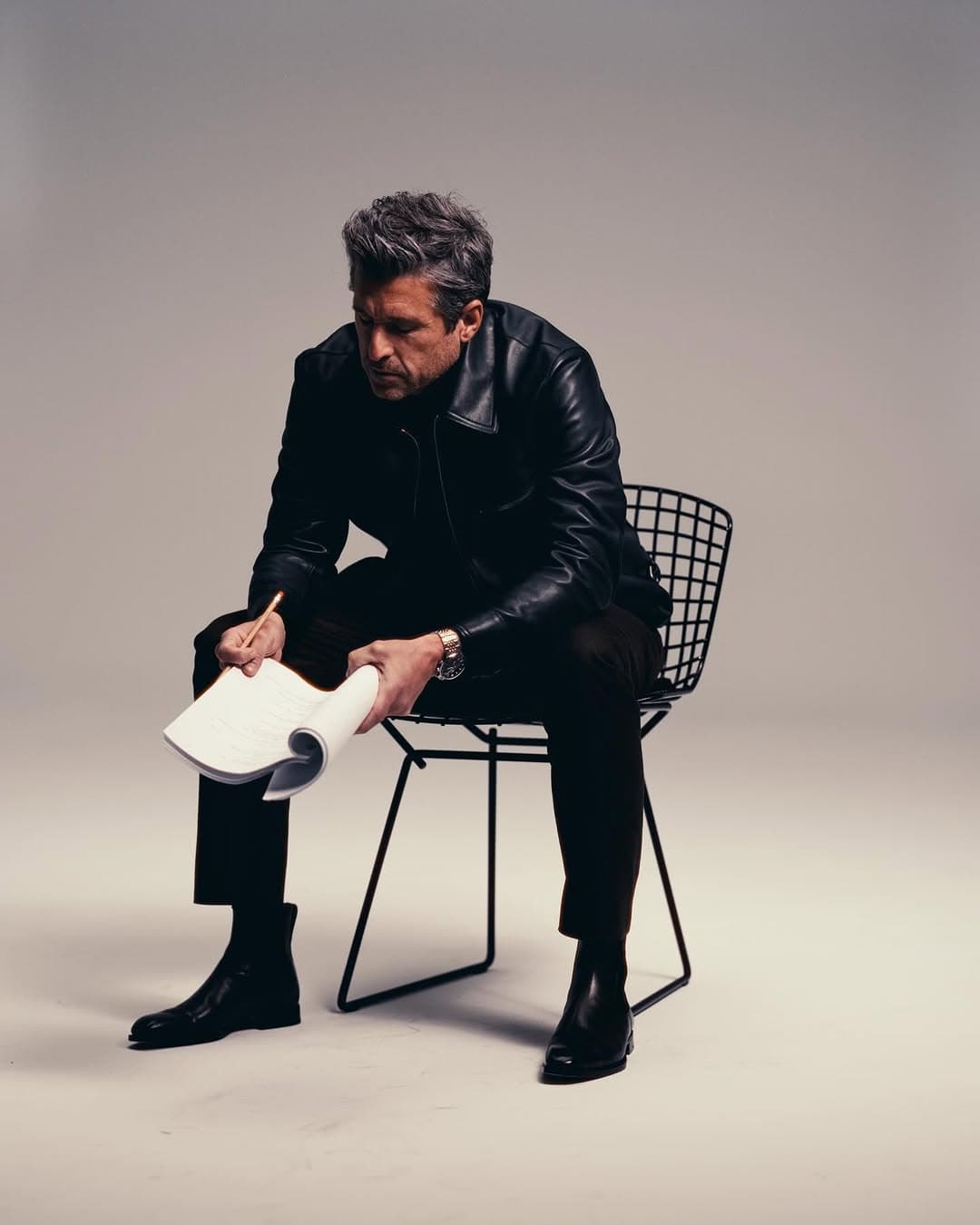

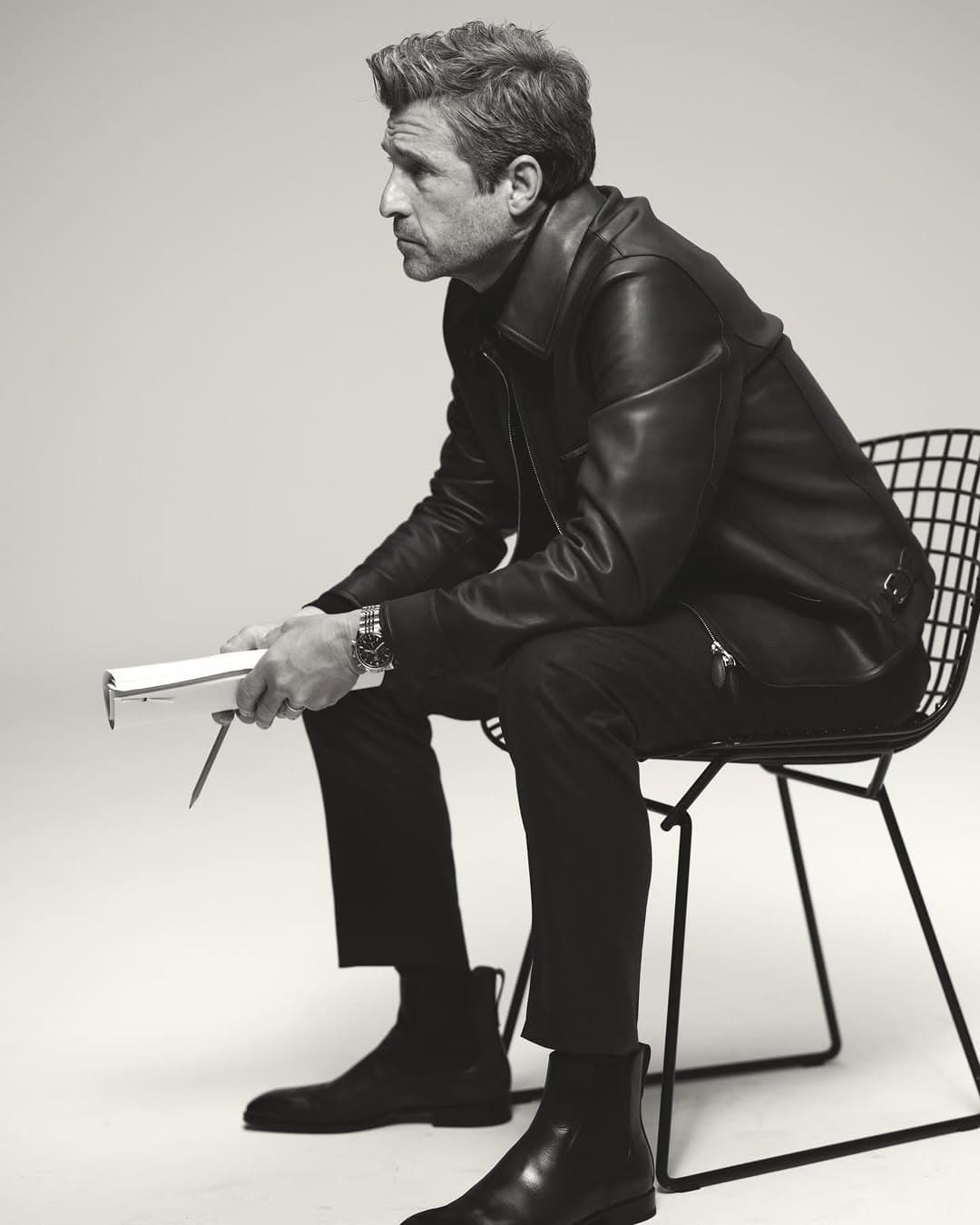
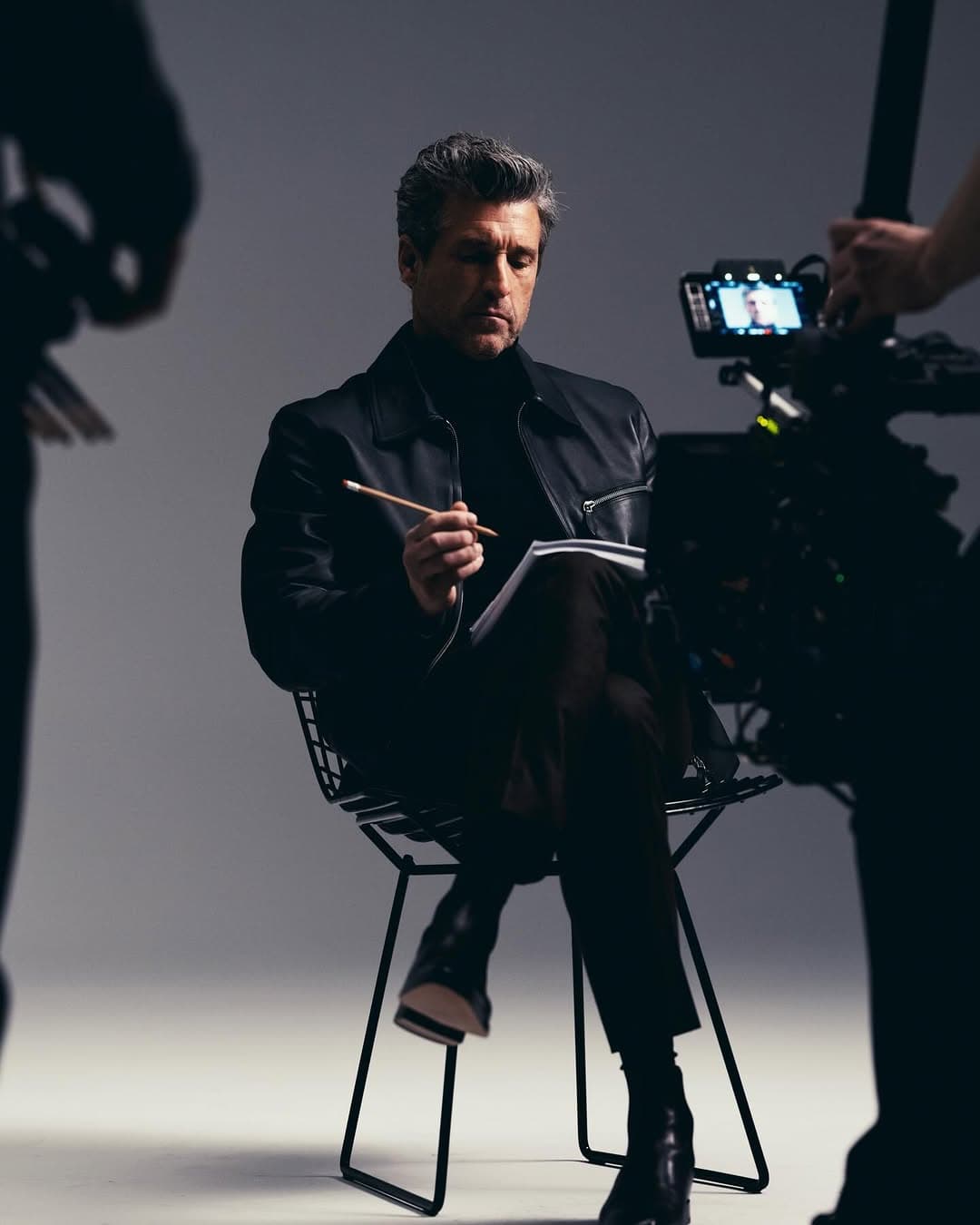
At the Speed of Dreams: where cinema polish meets race-day truth
On set, everything is controlled: the angle of a shoulder, the hush before action, the hair that falls just so (you can almost hear a stylist calling for a touch of matte paste). On track, it’s a different kind of choreography—one that smells like hot rubber and brake dust, where the soundtrack is a rising mechanical scream and the stakes are written in physics. Dempsey toggles between these worlds with the ease of someone who’s stopped needing applause.
I’ve always found racing culture most compelling when it’s least performative—when it’s about craft, not cosplay. Dempsey’s credibility is that he doesn’t treat the grid as a backdrop for celebrity. He treats it as a discipline.
The TAG Heuer point of view: time as identity
TAG Heuer’s mythology is famously intertwined with motorsport—clean lines, purposeful design, and the kind of heritage that doesn’t require a dramatic retelling. If you need the receipts, start with the brand’s own history at TAG Heuer and the wider context of the sport at Formula One on Wikipedia.
What lands here isn’t nostalgia; it’s continuity. The story of At the Speed of Dreams is really the story of incremental obsession—lap after lap, take after take. The most luxurious thing, frankly, is commitment. Not the velvet-rope version, the real one.
LVMH, Formula 1, and the new luxury alignment
Luxury has been flirting with sport for years, but Formula 1 brings a particularly modern potency: engineering as seduction, global travel as theatre, data as the new couture. With LVMH’s increasingly visible proximity to the grid (#LVMHFormula1, for those keeping score), this alignment feels less like sponsorship and more like a cultural merger—precision and prestige trading notes.
It also mirrors how we consume style now: not as a static look, but as a performance across contexts. Trackside dressing has become its own runway (quiet wealth meets technical fabric), and it’s no accident that the best expressions of it read like considered uniforms rather than costume.
- Precision isn’t an aesthetic—it’s a value system.
- Endurance is the sexiest flex because it can’t be faked.
- Timing is a kind of taste: you either have it, or you don’t.
Patrick Dempsey’s appeal: not just a face, an appetite
Dempsey’s cultural footprint—equal parts Hollywood longevity and quietly serious racer—hits a contemporary sweet spot. We’re living in an era allergic to empty polish. We want receipts, training arcs, evidence of obsession. (It’s why the rise of “process content” has become catnip across fashion and sport alike.) If you want the broader biography, Patrick Dempsey’s Wikipedia page sketches the arc, but it doesn’t capture the texture: the way a practiced mind settles before speed.
There’s also something pleasingly old-school about his presence—handsome, yes, but unselfconscious; confident, but not loud. It’s a reminder that charisma isn’t always about taking up space. Sometimes it’s about control.
The behind-the-scenes details we actually care about
Behind-the-scenes imagery has become its own genre, and too often it’s a little too curated—“candid” shots so styled they should come with a call sheet. What works about At the Speed of Dreams is its tension: the sleek, editorial surfaces of luxury meeting the gritty truth of speed culture. A watch isn’t just a prop here; it’s a philosophy worn on the wrist.
If you’re in the mood to keep your luxury-motorsport reading on a tight, chic loop, consider pairing this with our notes on the art of quiet luxury, a guide to Formula 1 paddock style, and our edit of the best luxury watches right now—because context is a kind of sophistication.
And if the larger LVMH ecosystem is part of what fascinates you (it should), the group’s scope and influence are worth a look via LVMH’s official site. Luxury doesn’t move at random; it moves with strategy.
The takeaway isn’t that speed is glamorous. Speed is exacting. The glamour—if you insist on the word—comes from watching someone chase improvement with almost monastic consistency. That’s the real fantasy: not the finish line, but the discipline to keep showing up for the next lap.
Photo Credits
Images courtesy of their respective owners.